
The Willpower Trap: Why Bans Often Fail
When we try to stop scrolling through discipline alone, we make a strategic mistake: we attempt to erase a deeply ingrained behavior pattern through sheer suppression. This creates a vacuum that can make the craving for the screen even stronger. In everyday life, this often results in a “yo-yo effect”: as soon as our willpower fades at the end of a long workday, we fall back into old patterns. The problem is not a lack of discipline, but a system built on deprivation rather than change.
The Law of Substitution
Habits consist of a loop: cue, craving, response, reward. Scrolling on a smartphone is the response to a craving (for example, relaxation or social belonging).
If we only limit scrolling, the craving remains unmet. The real art is to replace the response while keeping the cue and the reward the same. These things can help us with that:
- Design your environment: Teenagers in Australia don’t pick up a book because they suddenly have more discipline, but because the smartphone is no longer an option. For us, that means: make scrolling invisible or difficult (for example, by putting your phone in another room). At the same time, you need to make the desired alternative obvious. A book on your pillow is a stronger cue than a good intention in your head.
- The power of identity: Instead of saying, “I’m trying to scroll less,” identify as “someone who uses their time intentionally.” Clear explains that real behavior change is an identity change. If you see yourself as an athlete, you’ll naturally replace an afternoon scrolling break with stretching or a short walk.
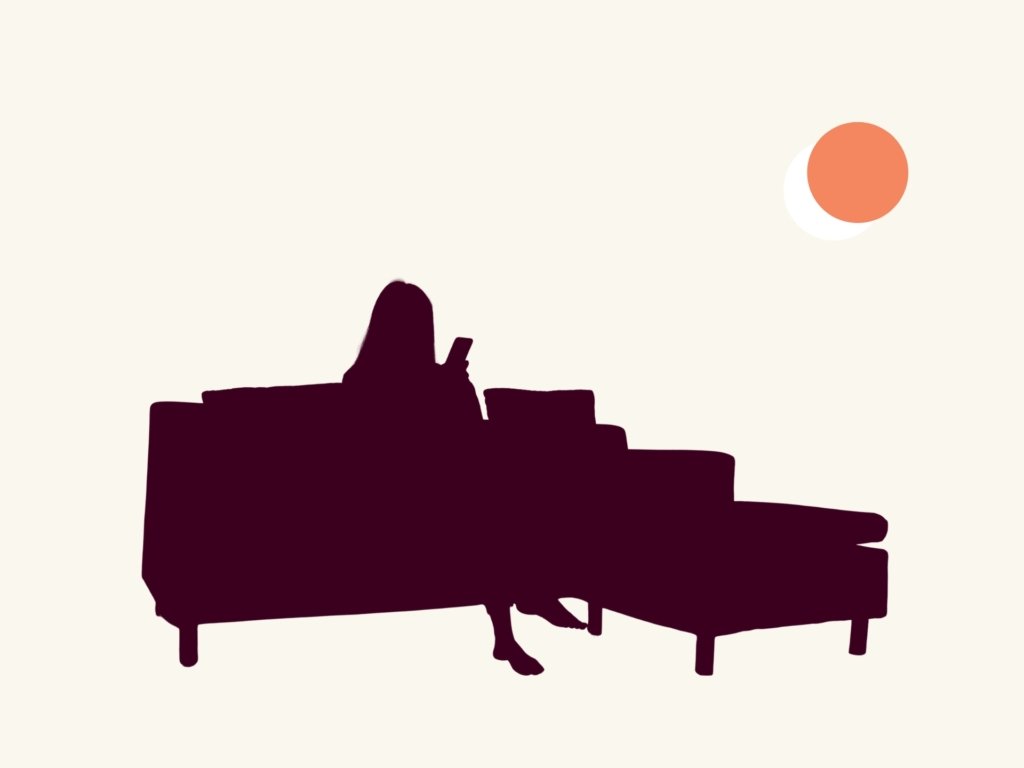
- The “if–then” formula: A key lever from habit research is implementation intentions. Instead of setting vague limits, define a precise replacement: “If I sit down on the couch after work (cue), then I immediately pick up my magazine instead of my phone (new response).” Put the placeholder in place in advance so indecision never gets a chance.
Ready for the Next Step?
We’re not happier because we spend less time on TikTok, but because we fill our time with high-quality alternatives. You can start with small steps. How about meditating for two minutes instead of scrolling through your Instagram feed?
Reading Tip
- Prime Minister Anthony Albanese reports
- James Clear’s bestseller Atomic Habits (James Clear (2018). Atomic Habits: An Easy & Proven Way to Build Good Habits & Break Bad Ones. New York, NY: Avery.)