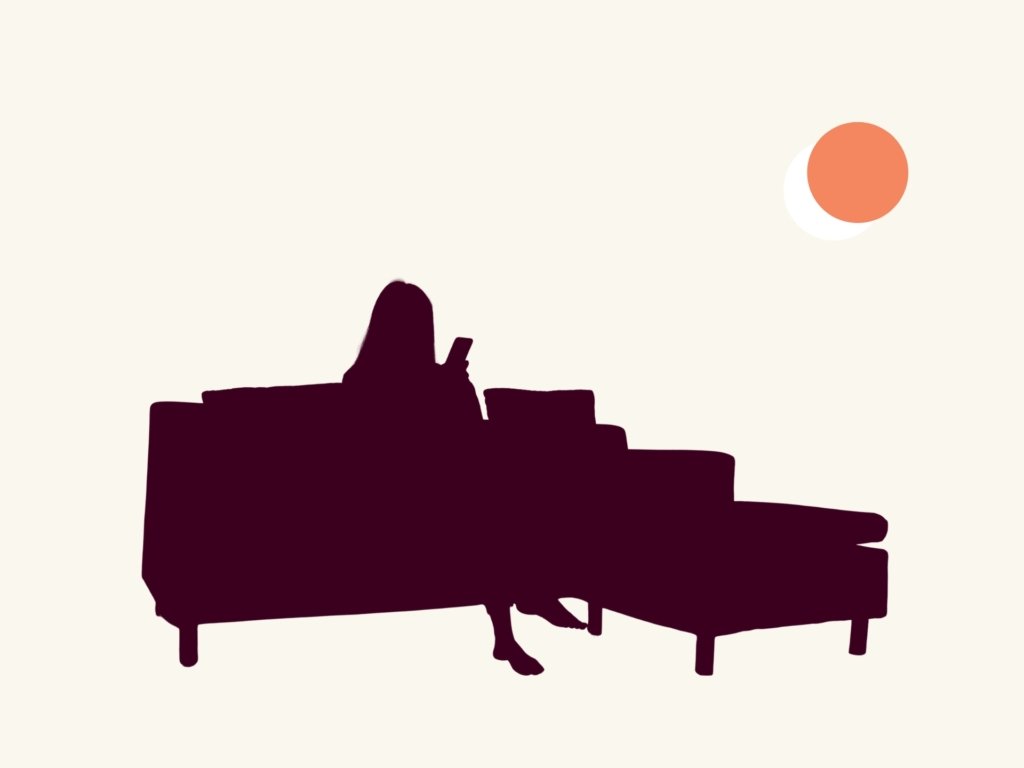

A Growing Movement Toward Digital Well-being
This isn’t just a personal struggle; it’s a major societal shift. According to recent surveys (Harmony Healthcare IT 2024), this isn’t just a personal struggle, it’s something many of us are feeling. Recent research shows that about one in two adult (53%) want to reduce the amount of time they spend on screens to feel better, manage their time more easily, and be more focused. And it’s not just talk, over one in three adult (36%) say they’ve already tried to cut back on their screen time over the past year.
People are actively seeking mental relief and conscious time management. The primary motivations for this shift include:
- Being more present for loved ones
- Experiencing a better quality of life
- Making room for more enriching activities
In fact, 50% of us have already taken active steps to cut back, reporting improvements in their productivity, social presence, and overall well-being.
Scrolling is Not a Personal Weakness
It is important to understand that you aren’t “weak” if you find yourself scrolling. Automatic scrolling is actually a modern attempt by our brains to relax or process stimuli.
Our social media feeds are designed with precise neuromarketing that activates our dopamine reward system without ever providing a natural “stop” signal. We keep scrolling endlessly, but what we are truly looking for isn’t the next post. It’s a sense of presence. We long for undisturbed dinner conversations or the peace that comes when no notification interrupts our thoughts.
Small Steps Instead of Radical Bans
Change takes time, and small steps are far more valuable than radical bans that only put us under pressure. Our apps are specifically designed to bind our attention, so failing at a “less phone” resolution is not a personal failure.
The goal isn’t to demonize the smartphone, but to return to using it as a tool.
Small Hacks for Your Daily Life:
- The “Out of Sight” Trick: Place your phone in another room while eating or reading. If you have to physically get up to check it, the impulse to “just quickly check” drops significantly.
- Grayscale Mode: Switch your display to black and white. Without the vibrant colors, many apps lose their “magic” appeal to the brain.
- Morning Ritual: Try not to look at your screen for the first 15 minutes after waking up. Give that time to your first cup of coffee or the view out the window.
- Defined Tech-Free Zones: Set specific times, such as one hour before bed, where the phone is completely off-limits.
Looking for more support?
If you want a companion to gently remind you to take breaks and help you experience your time more consciously, check out the Attentive App. We help you reduce your screen time at your own pace, entirely without pressure.